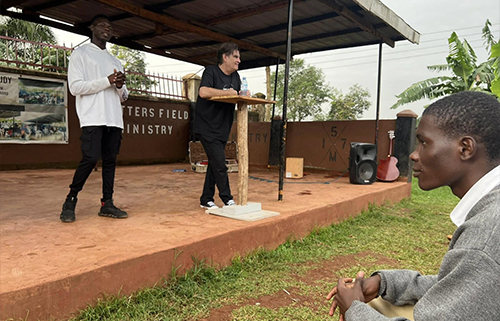
The heart of the ministry centers on child sponsorship and discipleship, providing education, meals, clean water, medical care, and mentoring globally. This mission serves children in Uganda, Kenya, Congo, Cambodia, and Guatemala, demonstrating faith expressed through consistent action and long-term commitment. Ministry work often begins with vision, yet daily realities quickly reveal responsibilities extending far beyond teaching, preaching, or public leadership moments.
Many are surprised to discover pastoral life involves significant emotional investment, carrying burdens shared by individuals, families, and entire communities. Pastors regularly navigate complex human situations requiring wisdom, patience, confidentiality, and compassion without clear solutions or immediate resolution. Spiritual leadership demands constant availability, as crises rarely follow schedules or respect personal boundaries or rest periods. Another unexpected reality is the weight of expectations placed upon pastors by congregations, communities, and even personal internal standards.
People often assume pastors possess instant answers, overlooking their humanity, ongoing learning, and reliance on prayerful discernment. Becoming a Pastor includes learning to lead while simultaneously submitting personal ambitions to God’s direction and timing faithfully. Pastors frequently balance administrative responsibilities, counseling needs, teaching preparation, and community outreach within limited hours. Ministry involves decision-making where outcomes affect others deeply, requiring humility and accountability in every choice.
Many are surprised by how much unseen preparation occurs behind sermons, lessons, and leadership moments. Pastoral work often includes navigating conflict gently, addressing misunderstandings, and promoting unity within diverse groups. Another reality involves spiritual warfare, where discouragement, doubt, and fatigue challenge consistency and perseverance. Pastors must cultivate resilience, learning to rest spiritually while continuing to serve faithfully.
Leadership also requires developing others, mentoring future leaders, and empowering teams rather than performing every task personally. The ministry reveals personal weaknesses, pushing pastors toward deeper dependence on God rather than self-reliance. The calling includes joy, witnessing transformation, growth, and faith renewed through service and discipleship. Pastors discover success is measured less by numbers and more by faithfulness, obedience, and lives impacted over time. Another surprise is the need for ongoing education, reflection, and adaptation as cultural contexts continually change.
The ministry often intersects with social needs, poverty, and injustice, calling pastors toward compassionate action beyond church walls. Faith leadership requires balancing truth with grace, maintaining conviction while extending love. Pastors learn to celebrate small victories while trusting God with outcomes beyond their control. The role demands integrity in private life matching public teaching consistently. Pastors also experience deep relationships formed through shared faith journeys and mutual growth.
Through real ministry experience, Pastor Mike Rozell shares insight shaped by service, humility, and global compassion. His perspective emphasizes preparation grounded in Scripture, prayer, and realistic understanding of pastoral responsibilities. The journey teaches patience, empathy, and reliance on God’s strength daily. Ultimately, pastoral life is less about position and more about servant leadership and faithful presence. Understanding these realities prepares individuals to approach ministry with wisdom, balance, and enduring commitment.
Pastoral calling often reshapes personal identity, teaching leaders to measure worth through obedience rather than visible outcomes or recognition. Unexpectedly, ministry stretches creativity, requiring innovation in communication, discipleship, and problem-solving across diverse cultural and relational landscapes. Those who embrace these realities discover pastoral life forms character deeply, refining compassion, courage, and faith through continual surrender and trust.
How Does Becoming a Pastor Change Your Faith Before It Changes Others
The heart of the ministry emphasizes child sponsorship and discipleship, providing education, meals, clean water, medical care, and mentoring worldwide. This mission serves communities in Uganda, Kenya, Congo, Cambodia, and Guatemala, demonstrating faith expressed through consistent service and relational commitment. When answering the call of Becoming a Pastor, personal faith deepens first, reshaped by responsibility, humility, and dependence on God. Leadership exposure reveals limitations, prompting pastors to confront doubts, motives, and habits previously unnoticed during ordinary discipleship and private growth.
Teaching Scripture publicly demands internal consistency, requiring deeper study, prayerful reflection, and obedience before instruction carries credibility with lasting integrity. Pastoral care exposes suffering, compelling leaders to trust God amid unanswered questions while guiding others compassionately through seasons of hardship. Administrative stewardship tests faith by aligning resources, people, and vision responsibly without relying solely on spiritual enthusiasm or shortcuts alone.
Prayer shifts from personal comfort toward intercession, perseverance, and surrender shaped by communal needs and global mission awareness, compassion, responsibility. Preaching regularly refines faith, as preparation exposes Scripture’s depth and demands faithful application personally first with humility, discipline, patience, courage. Community expectations challenge identity, teaching pastors to anchor worth in calling rather than approval, popularity, metrics, comparisons, praise, criticism, trends. Becoming responsible for others’ growth reveals reliance on God’s timing instead of personal urgency, control, pressure, outcomes, schedules, preferences, plans. Mentoring leaders requires modeling repentance, teachability, and resilience during mistakes, setbacks, learning, correction, restoration, patience, humility, growth, trust, perseverance, grace.
Exposure to global ministry expands faith, connecting local obedience with worldwide compassion initiatives through service, partnerships, cultures, learning, prayer, sacrifice. Serving vulnerable children reframes priorities, reminding pastors faith expresses itself through love and action daily, consistently, sacrificially, relationally, tangibly, faithfully. Personal devotion becomes essential fuel, sustaining faith when public ministry drains energy emotionally, spiritually, mentally, physically, relationally, continually, patiently, wisely.
Faith matures as leaders embrace weakness, discovering strength through God’s sufficiency amid trials, fatigue, uncertainty, pressure, opposition, complexity, growth, seasons. Pastoral rhythms cultivate patience, balancing urgency with rest and reflection through planning, sabbath, boundaries, priorities, listening, silence, renewal, alignment, trust. Engaging diverse cultures challenges assumptions, broadening theological understanding and empathy across languages, contexts, histories, needs, perspectives, realities, complexities, humility, respect.
Ministry pressures refine motives, purifying service intentions toward faithfulness over recognition, ambition, comfort, security, applause, ease, status, control, visibility, preference. Counseling moments deepen faith, requiring listening guided by Scripture and Spirit with wisdom, patience, discernment, compassion, restraint, prayer, humility, care. Through lived experience, Pastor Mike Rozell explains faith transformation precedes influence over others during ministry, leadership, service, calling, formation, growth, seasons, contexts, responsibilities. Becoming a Pastor reshapes prayer life into leadership intercession marked by responsibility, discernment, perseverance, trust, humility, compassion, patience, courage, surrender.
Faith deepening prepares pastors to guide others authentically through example, integrity, teaching, consistency, humility, service, wisdom, endurance, accountability, love, truth. Internal transformation safeguards against burnout and disillusionment by nurturing resilience, hope, balance, rest, boundaries, perspective, purpose, renewal, joy, faith, perseverance. Ministry formation emphasizes obedience over outcomes, trusting God’s sovereignty, timing, provision, direction, wisdom, faithfulness, patience, growth, humility, alignment, surrender, peace.
Ultimately, pastoral calling shapes faith deeply before shaping congregations, families, communities, leaders, cultures, missions, children, futures, hearts, lives, disciples, nations. This inward change sustains outward ministry impact through longevity, faithfulness, resilience, wisdom, humility, integrity, compassion, service, hope, trust, obedience, love.
Why Is Emotional Health Critical When Becoming a Pastor
Emotional health becomes essential because pastoral ministry consistently engages complex human experiences requiring resilience, empathy, boundaries, and sustained inner stability. When Becoming a Pastor, leaders encounter joy and grief simultaneously, demanding emotional regulation to serve faithfully without becoming overwhelmed or detached. Pastors absorb stories of loss, conflict, trauma, and hope, which accumulate internally if not processed with wisdom and support. Healthy emotions enable discernment, helping pastors respond thoughtfully rather than react impulsively during tense or sensitive situations.
Unchecked emotional strain can distort perspective, impair judgment, and gradually erode spiritual vitality over time. Emotionally healthy pastors maintain clarity between personal identity and ministerial role, preventing burnout fueled by unrealistic expectations. Ministry requires availability, yet emotional health teaches limits, preserving energy for long-term faithfulness rather than short-term exhaustion. Leaders with emotional awareness recognize triggers, stress responses, and warning signs before crises escalate unnecessarily. Pastors model wholeness when they practice honesty, vulnerability, and appropriate self-disclosure within trusted relationships.
Congregations benefit when leaders demonstrate balanced emotional responses grounded in maturity rather than suppression or volatility. Emotional health supports effective conflict navigation, enabling pastors to listen carefully, validate feelings, and guide reconciliation constructively. Pastors frequently make decisions impacting others, requiring emotional steadiness to weigh consequences with compassion and fairness. Without emotional grounding, ministry pressures can foster isolation, cynicism, or disengagement from meaningful relationships. Healthy emotional practices integrate prayer, reflection, rest, and counsel to sustain inner life amid external demands.
Pastors who process emotions wisely remain teachable, open to correction, and receptive to feedback without defensiveness. Emotional maturity strengthens leadership credibility, as consistency builds trust across diverse congregational dynamics. Pastors often carry private burdens, making emotional outlets essential for maintaining integrity and mental clarity. Healthy emotions support spiritual discernment, allowing leaders to distinguish God’s prompting from stress-driven impulses. Pastoral families benefit when leaders practice emotional health, creating stable environments for spouses and children.
Ministry seasons fluctuate, and emotional resilience helps pastors adapt without losing purpose or perspective. Emotionally grounded leaders resist comparison and performance pressure, anchoring identity in calling rather than approval. Pastors serve as emotional anchors during crises, requiring stability rooted in self-awareness and spiritual discipline.
When emotions are acknowledged, pastors can address compassion fatigue before it diminishes effectiveness. Pastoral counseling requires emotional presence without absorption, maintaining care without assuming others’ burdens. Sustainable ministry flows from inner health that integrates emotional, spiritual, and relational well-being holistically. Through experience and teaching, Pastor Mike Rozell emphasizes emotional health as foundational for enduring ministry effectiveness.
Emotionally healthy pastors cultivate rhythms of rest, reflection, and renewal to sustain long-term service. This health fosters joy, gratitude, and hope that permeate leadership influence naturally.
Emotionally healthy pastors develop imaginative compassion, allowing empathy to flow without drowning in others’ pain or confusion daily. Creative reflection helps leaders translate emotional experiences into wisdom rather than unresolved tension or silent exhaustion over time. Healthy emotions spark creativity in teaching, storytelling, and vision casting that resonates authentically with diverse congregational hearts.
When emotions are tended carefully, joy becomes contagious, infusing ministry spaces with warmth, safety, and genuine human connection. Emotional health ultimately fuels sustainable passion, keeping pastoral calling vibrant instead of heavy, fragile, or quietly draining. Ultimately, emotional health safeguards pastors’ hearts, enabling faithful service with clarity, compassion, and perseverance.
Which Personal Sacrifices Come With Becoming a Pastor
Choosing pastoral ministry involves meaningful sacrifice, as leaders willingly place calling above convenience, comfort, and personal preference throughout daily life. When Becoming a Pastor, individuals often surrender predictable schedules, embracing availability that extends beyond traditional work hours or boundaries. Personal time becomes shared time, as emergencies, counseling needs, and community crises frequently interrupt rest, plans, and private moments.
Family life requires intentional balance, since ministry responsibilities can compete with attention needed by spouses and children. Pastors often sacrifice anonymity, living publicly where personal choices are observed, interpreted, and sometimes misunderstood by others. Privacy becomes limited, as personal struggles must be managed wisely while maintaining integrity and trust within congregational relationships. Financial sacrifice may accompany ministry, especially when choosing service over more lucrative professional opportunities.
Pastors frequently invest emotionally without guaranteed visible results, trusting faithfulness rather than measurable success metrics. The calling demands surrender of control, yielding personal agendas to God’s direction and the needs of others. Friendships can change, as pastoral roles redefine dynamics, boundaries, and expectations within previously mutual relationships. Leaders may sacrifice geographic stability, relocating to serve where God calls rather than remaining near extended family. Emotional energy is often poured into others, requiring intentional replenishment to avoid depletion over time.
Pastors must sometimes absorb criticism quietly, choosing grace and patience over defensiveness or retaliation. Personal ambitions may be delayed or reshaped, aligning dreams with ministry vision rather than individual advancement. Vacations and holidays are occasionally interrupted, as spiritual needs arise during culturally significant moments. Pastors often forgo immediate gratification, investing long-term effort into discipleship that unfolds slowly.
The role requires sacrificial listening, giving full attention to others’ pain without shifting focus inward prematurely. Pastors may experience loneliness, as leadership responsibility creates distance despite the surrounding community. Spiritual sacrifice includes continual self-examination, repentance, and humility to lead authentically. Time for hobbies or personal pursuits may shrink, requiring discernment to preserve joy and balance intentionally. Pastors sacrifice certainty, trusting God amid unclear outcomes and unresolved challenges.
The calling demands resilience, as perseverance replaces comfort when ministry seasons become difficult. Sacrifice also includes choosing forgiveness repeatedly, even when wounds feel personal or undeserved. Pastors often carry burdens silently, protecting others while processing struggles privately. Yet these sacrifices are embraced willingly, shaped by conviction and love for God’s people. Through experience, Pastor Mike Rozell explains sacrifice refines character and deepens reliance on God. Sacrifices cultivate empathy, shaping leaders who serve with authenticity rather than entitlement.
The cost of ministry forms spiritual maturity that cannot be gained through comfort alone.
Personal sacrifice ultimately strengthens faith, anchoring purpose beyond self-interest. These sacrifices reveal pastoral calling as a life of service, devotion, and faithful surrender. Pastoral sacrifice often includes releasing the desire for quick affirmation, learning to serve faithfully even when progress feels slow. Creative energy is poured into nurturing others’ growth, sometimes postponing personal dreams while trusting God’s timing remains purposeful.
Leaders surrender emotional comfort, choosing presence in difficult conversations rather than avoiding discomfort for personal ease. Pastoral life reshapes ambition, transforming success from personal achievement into collective spiritual flourishing over extended seasons. These sacrifices quietly shape depth, forging leaders whose strength emerges from surrender, patience, and enduring love rather than recognition.
How Can Becoming a Pastor Become a Lifelong Calling Not a Burnout
Sustainable ministry begins when pastoral calling is understood as a long journey requiring wisdom, rhythm, and intentional care rather than constant output. When Becoming a Pastor, leaders must learn early that longevity depends on pacing, boundaries, and spiritual nourishment maintained consistently over time. Burnout often emerges when identity becomes tied solely to performance, outcomes, or constant availability without restorative practices.
A lifelong calling develops when pastors ground their worth in obedience rather than approval, numbers, or visible success. Healthy ministry embraces rhythms of work and rest, honoring sabbath as essential rather than optional or indulgent. Pastors thrive when they cultivate private devotion that fuels public ministry instead of relying solely on external affirmation. Clear boundaries protect emotional energy, allowing leaders to serve joyfully without resentment or exhaustion. Learning to delegate empowers others, preventing overload while fostering shared ownership and leadership development.
Ongoing learning refreshes vision, keeping ministry adaptable, curious, and responsive to changing cultural and congregational needs. Mentorship provides perspective, helping pastors process challenges through trusted relationships rather than isolation. Lifelong calling requires emotional self-awareness, recognizing warning signs of fatigue before discouragement takes root deeply. Pastors sustain passion by remembering why they were called, revisiting God’s faithfulness during earlier seasons of obedience. Community support strengthens resilience, offering encouragement, accountability, and companionship throughout ministry seasons.
Ministry remains life-giving when pastors allow vulnerability instead of projecting constant strength or perfection. Burnout lessens when leaders accept limits, trusting God’s work continues beyond personal effort. Healthy pastors maintain interests outside ministry, preserving creativity, joy, and balanced perspective. Prayer becomes sustaining conversation rather than crisis response, anchoring leadership in dependence on God. Lifelong ministry embraces seasons, understanding intensity fluctuates while faithfulness remains constant.
Pastors benefit from counseling, retreat, and reflection to process accumulated stress constructively. Clear mission focus prevents distraction, helping leaders discern essential responsibilities from unnecessary burdens. Spiritual friendships offer safe spaces where pastors can be known beyond their role. Burnout fades when ministry flows from love rather than obligation or fear of failure. Healthy expectations with congregations create mutual respect, protecting sustainability for leaders and communities alike.
Pastors who celebrate progress, however small, cultivate gratitude that renews motivation.
Through experience, Pastor Mike Rozell teaches that endurance grows through humility, balance, and intentional care. Lifelong calling matures as pastors align personal health with spiritual responsibility faithfully. Burnout is avoided when leaders invite God into every aspect of life, not ministry alone. Pastoral joy returns when calling is lived as a relationship, not a relentless obligation. A sustainable calling honors both sacrifice and rest, service and renewal equally. Becoming a Pastor becomes lifelong when leaders steward their souls with the same care given to others.
Creative longevity emerges when pastors cultivate wonder, curiosity, and playfulness, allowing faith to remain alive, expansive, and joyful across decades of service with hope daily. Regular spiritual recalibration helps leaders notice subtle drift, realign motivations, and rekindle calling before exhaustion quietly hardens into discouragement over long ministry seasons together patiently. Creative practices like journaling, silence, art, and nature walks restore imagination, reminding pastors that God meets them beyond productivity metrics expectations pressure schedules deadlines demands. Sustainable calling flourishes when leaders permit seasons of quiet obscurity, trusting unseen faithfulness shapes deeper strength than constant visibility and enduring humility growth within souls. Such creativity keeps ministry hopeful, and spacious rather than heavy.
What Kind of Support Makes Becoming a Pastor Sustainable
Sustainable pastoral ministry depends on intentional support systems that nurture spiritual health, emotional resilience, and practical stability over time. When Becoming a Pastor, leaders quickly discover that calling alone cannot sustain long-term effectiveness without consistent, trustworthy support structures. Spiritual support forms the foundation, beginning with a personal relationship with God strengthened through prayer, Scripture, and reflective practices.
Pastors need safe spiritual spaces where they can worship, listen, and grow without performing or leading others constantly. Mentorship provides essential guidance, offering wisdom from experienced leaders who understand ministry pressures and seasonal challenges. Wise mentors help pastors interpret experiences, avoid isolation, and gain perspective during difficult decisions or discouraging periods. Peer relationships also play a crucial role, allowing pastors to share burdens with others walking similar vocational paths.
Healthy peer support normalizes struggle, reduces shame, and fosters mutual encouragement rooted in shared understanding. Emotional support strengthens sustainability by giving pastors permission to process stress, grief, and disappointment constructively. Access to counseling or spiritual direction helps leaders maintain clarity, boundaries, and emotional balance amid ongoing demands. Family support remains vital, as spouses and children often share sacrifices and deserve intentional care and communication.
Church communities contribute sustainability by respecting boundaries, encouraging rest, and valuing pastors as people, not only leaders. Clear expectations between congregations and pastors reduce misunderstandings that frequently lead to exhaustion or burnout. Practical support, including fair compensation and reasonable workloads, allows pastors to focus on ministry without constant financial anxiety. Administrative assistance reduces overload, freeing pastors to concentrate on teaching, shepherding, and spiritual leadership. Continuing education sustains growth, keeping pastors intellectually engaged and adaptable to changing cultural contexts. Supportive leadership structures promote shared responsibility, preventing ministry from resting entirely on one individual.
Accountability systems protect integrity while offering encouragement rather than fear-based oversight. Sustainable ministry includes rhythms of rest, sabbatical opportunities, and permission to step back when necessary. Pastors flourish when rest is modeled and affirmed as faithful obedience, not weakness or disengagement. Support also includes affirmation, recognizing faithfulness rather than only measurable outcomes or visible success. Constructive feedback helps pastors grow while reinforcing confidence and clarity in their calling.
Healthy support environments allow pastors to say no without guilt, preserving long-term effectiveness. Community prayer strengthens resilience, reminding pastors they are carried by others’ intercession. Pastoral support extends globally through shared mission, collaboration, and mutual encouragement across cultures. Through experience and teaching, Pastor Mike Rozell emphasizes sustainable support as essential to faithful ministry longevity. He highlights that strong support systems protect joy, perspective, and perseverance throughout pastoral life. Sustainable support integrates spiritual, emotional, relational, and practical care holistically.
When pastors are supported well, they lead with clarity, compassion, and endurance. Ultimately, the right support transforms pastoral calling into a sustainable, life-giving journey of faithful service. Sustainable support ultimately frees pastors to listen for God’s call beyond comfort, inviting courageous obedience into fields where hope, healing, and truth are desperately needed today.
With strength supplied through community and faith, leaders are empowered to step outward, trusting God’s provision while serving others within the land of the living. This is the moment to choose devotion over hesitation, embracing God’s missionary work with humility, courage, and willingness to serve wherever He sends you.